Introduction
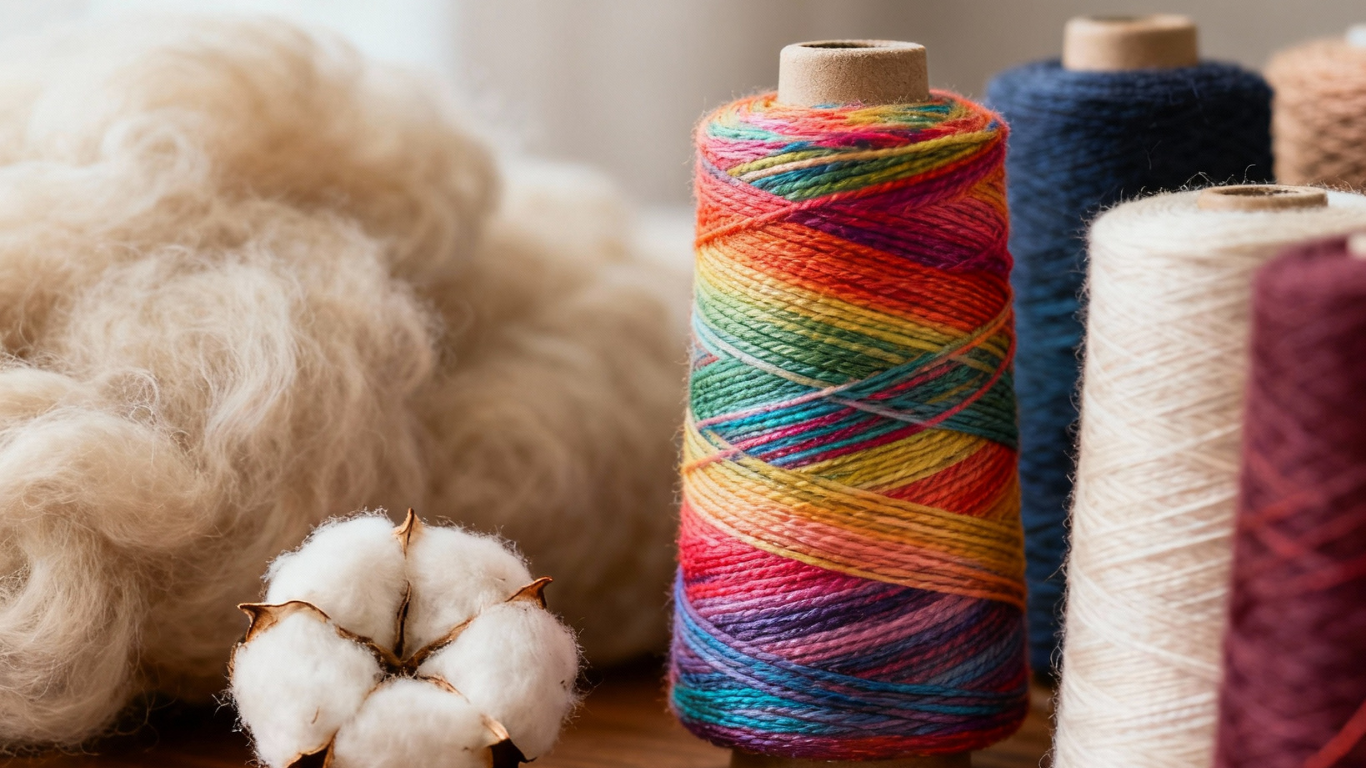
In the dynamic world of carpet manufacturing, the choice of fiber plays a pivotal role in determining the quality, durability, and aesthetic appeal of the final product. Among the myriad options available, olefin and natural fibers like wool, cotton, jute, polyester, and viscose stand out for their unique properties and applications. This guide delves into a detailed comparison of olefin with these natural fibers, providing insights into their characteristics, advantages, and suitability for various carpet manufacturing scenarios.
Understanding Olefin
What is Olefin?
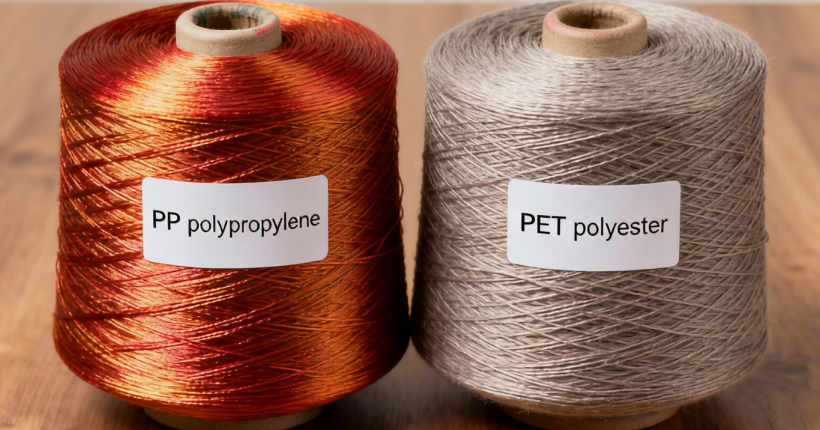
Olefin, also known as polypropylene, is a synthetic fiber derived from the polymerization of propylene. It is widely used in the carpet industry due to its exceptional durability, stain resistance, and affordability. Olefin fibers are lightweight and have a low moisture absorption rate, contributing to their quick-drying properties.
Key Properties of Olefin
- Durability: Olefin fibers are highly resistant to wear and tear, making them ideal for high-traffic areas. According to the Carpet and Rug Institute, olefin carpets can withstand significant foot traffic without showing signs of wear.
- Stain Resistance: Olefin’s low moisture absorption rate makes it inherently stain-resistant. This property is particularly advantageous for households with children or pets, as spills can be easily cleaned without leaving permanent marks.
- Colorfastness: Olefin fibers hold dye well, resulting in vibrant colors that do not fade easily over time. This characteristic is especially beneficial for maintaining the aesthetic appeal of carpets in commercial settings.
- Environmental Impact: While olefin is a synthetic fiber, it is recyclable. However, the environmental implications of its production, derived from fossil fuels, raise concerns about sustainability.
Exploring Natural Fibers
Wool
Wool is a natural fibre obtained from sheep and is renowned for its luxurious feel and excellent insulation properties.
Key Properties of Wool
- Durability: Wool fibers are resilient and can withstand significant wear, making them suitable for high-traffic areas. According to the Woolmark Company, wool carpets can last for decades with proper care.
- Moisture Management: Wool has the ability to absorb moisture without feeling wet, which helps regulate humidity levels in indoor environments. This property can contribute to improved indoor air quality.
- Natural Flame Resistance: Wool is naturally flame-resistant, making it a safer option for residential and commercial spaces.
- Sustainability: As a renewable resource, wool is biodegradable and has a lower environmental impact compared to synthetic fibers. The production of wool also supports sustainable farming practices.
Cotton
Cotton is another widely used natural fiber, known for its softness and breathability.
Key Properties of Cotton
- Comfort: Cotton fibers are soft and comfortable underfoot, making them a popular choice for residential carpets.
- Dye Affinity: Cotton has a high affinity for dyes, allowing for a wide range of colors and patterns in carpet design.
- Moisture Absorption: While cotton can absorb moisture, it is also prone to mold and mildew if not properly maintained.
- Environmental Impact: Cotton production can be resource-intensive, requiring significant amounts of water and pesticides. However, organic cotton options are available, which mitigate some of these concerns.
Jute
Jute is a natural fiber derived from the jute plant and is often used in rugs and carpets.
Key Properties of Jute
- Eco-Friendliness: Jute is a biodegradable and renewable resource, making it an environmentally friendly choice for carpet manufacturing.
- Texture: Jute fibers have a coarse texture, providing a rustic aesthetic that appeals to certain design preferences.
- Durability: While jute is durable, it is not as resilient as wool or olefin, making it more suitable for low-traffic areas.
- Moisture Sensitivity: Jute is susceptible to moisture damage, which can limit its use in humid environments.
Polyester
Polyester is a synthetic fiber known for its versatility and affordability. It is often used in carpets due to its ability to mimic the appearance of natural fibers.
Key Properties of Polyester
- Stain Resistance: Polyester fibers are inherently stain-resistant, making them suitable for households with children and pets.
- Color Retention: Polyester holds dye well, resulting in vibrant colors that resist fading over time.
- Softness: Polyester carpets are soft and comfortable underfoot, providing a luxurious feel.
- Environmental Impact: While polyester is derived from petroleum, recycled polyester options are available, which can reduce its environmental footprint.
Viscose
Viscose, also known as rayon, is a semi-synthetic fiber made from regenerated cellulose. It is often used in carpets for its silk-like appearance and softness.
Key Properties of Viscose
- Aesthetic Appeal: Viscose carpets have a luxurious sheen and soft texture, making them visually appealing.
- Moisture Absorption: Viscose can absorb moisture, which can lead to mold and mildew if not properly maintained.
- Durability: While viscose has a beautiful appearance, it is less durable than other fibers and may not be suitable for high-traffic areas.
- Environmental Considerations: The production of viscose can involve harmful chemicals, raising concerns about its environmental impact. However, sustainable production methods are being developed.
Comparative Analysis: Olefin vs. Natural and Synthetic Fibers
Performance in High-Traffic Areas
When considering carpets for high-traffic areas, durability is a critical factor. Olefin’s resistance to wear and tear makes it a strong contender in this category. Wool also performs well due to its resilience, but it may require more maintenance to preserve its appearance over time. Cotton and jute, while comfortable, may not withstand heavy foot traffic as effectively. Polyester offers a balance of durability and comfort, making it suitable for various applications, while viscose is generally not recommended for high-traffic areas due to its lower durability.
Stain Resistance and Maintenance
Olefin’s inherent stain resistance is a significant advantage, particularly in homes with children or pets. Wool, while durable, can be more challenging to clean, as it is susceptible to staining from certain substances. Cotton is also prone to staining and requires regular maintenance to keep it looking fresh. Jute, due to its moisture sensitivity, may not be the best choice for areas prone to spills. Polyester and viscose both offer varying degrees of stain resistance, with polyester generally performing better in this regard.
Environmental Considerations
The environmental impact of carpet materials is an increasingly important consideration for consumers and manufacturers alike. While olefin is recyclable, its production relies on fossil fuels, raising sustainability concerns. In contrast, wool and jute are renewable resources with lower environmental footprints. Cotton’s environmental impact varies based on farming practices, with organic options available for more sustainable choices. Polyester’s environmental impact can be mitigated through recycling, while viscose production raises concerns due to the chemicals involved.
Aesthetic Appeal
Aesthetics play a crucial role in carpet selection. Olefin offers a wide range of colors and patterns, making it versatile for various design preferences. Wool carpets exude luxury and warmth, while cotton provides a soft, inviting feel. Jute’s rustic texture appeals to those seeking a natural, organic look. Polyester mimics the appearance of natural fibers, while viscose is prized for its silk-like sheen. Ultimately, the choice of fiber may depend on the desired aesthetic and functional requirements.
Industry Use Cases
Residential Carpeting
In residential settings, the choice between olefin and natural fibers often hinges on lifestyle factors. Families with children and pets may gravitate toward olefin for its stain resistance and durability. Conversely, homeowners seeking a luxurious feel may opt for wool carpets, despite the additional maintenance required. Polyester carpets are also popular in residential settings due to their affordability and comfort.
Commercial Carpeting
In commercial environments, durability and stain resistance are paramount. Olefin’s performance in high-traffic areas makes it a popular choice for offices, retail spaces, and hospitality settings. Wool carpets may also be used in upscale commercial environments, where aesthetics and comfort are prioritized. Polyester is frequently used in commercial applications due to its affordability and versatility.
Eco-Friendly Options
As sustainability becomes a focal point in the carpet industry, eco-friendly options are gaining traction. Wool and jute carpets appeal to environmentally conscious consumers, while olefin’s recyclability offers a synthetic alternative with reduced environmental impact. Recycled polyester options are also becoming more prevalent, providing a sustainable choice for consumers.
Real-World Examples
Olefin in Action
A notable example of olefin’s application can be seen in the hospitality industry. Many hotels utilize olefin carpets in guest rooms and common areas due to their durability and stain resistance. For instance, a major hotel chain has reported significant cost savings in maintenance and replacement due to the longevity of olefin carpets.
Wool’s Luxurious Appeal
Wool carpets are often found in high-end residential properties and luxury hotels. A renowned interior designer recently completed a project featuring wool carpets in a boutique hotel, emphasizing the material’s warmth and comfort. The designer noted that guests frequently commented on the inviting atmosphere created by the wool flooring.
Cotton’s Versatility
Cotton carpets are frequently used in residential settings, particularly in bedrooms and living areas. A family-owned carpet manufacturer has successfully marketed organic cotton carpets, appealing to environmentally conscious consumers seeking sustainable options without sacrificing comfort.
Jute’s Rustic Charm
Jute carpets have gained popularity in eco-friendly homes and rustic-themed interiors. A recent trend in sustainable design has seen jute rugs incorporated into modern spaces, showcasing their versatility and natural appeal. Designers have highlighted jute’s ability to complement various decor styles while maintaining an environmentally friendly ethos.
Polyester’s Affordability
Polyester carpets are widely used in both residential and commercial settings due to their affordability and versatility. A large retail chain has adopted polyester carpets in its stores, benefiting from the material’s stain resistance and vibrant color options.
Viscose’s Aesthetic Appeal
Viscose carpets are often featured in luxury residential projects, where their silk-like appearance adds a touch of elegance. An interior designer recently showcased a viscose carpet in a high-end living room, highlighting its ability to elevate the overall aesthetic of the space.
Conclusion
The comparison between olefin and natural fibers such as wool, cotton, jute, and synthetic fibers like polyester and viscose reveals a complex interplay of performance, aesthetics, and sustainability. Olefin stands out for its durability, stain resistance, and affordability, making it a practical choice for high-traffic areas. However, natural fibers offer unique benefits, including comfort, eco-friendliness, and luxurious appeal.
Ultimately, the choice of carpet material will depend on individual preferences, lifestyle factors, and environmental considerations. As the carpet manufacturing industry continues to evolve, a deeper understanding of these materials will empower manufacturers and consumers alike to make informed decisions that align with their values and needs.
In an era where sustainability and performance are paramount, the ongoing dialogue between synthetic and natural fibers will shape the future of carpet manufacturing, paving the way for innovative solutions that meet the demands of modern living.