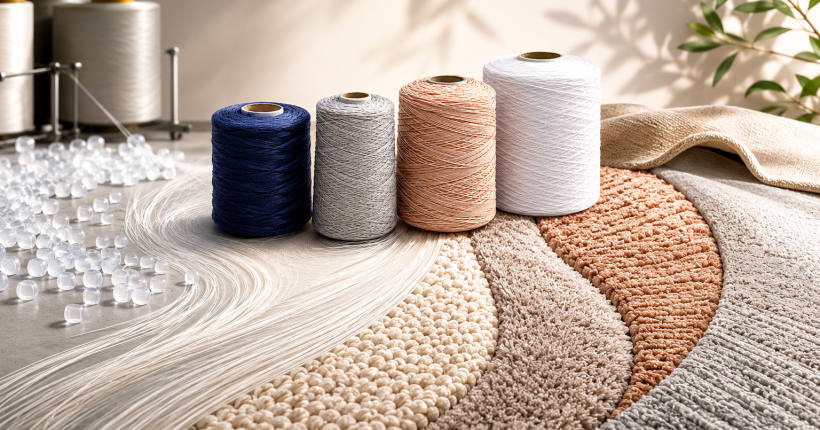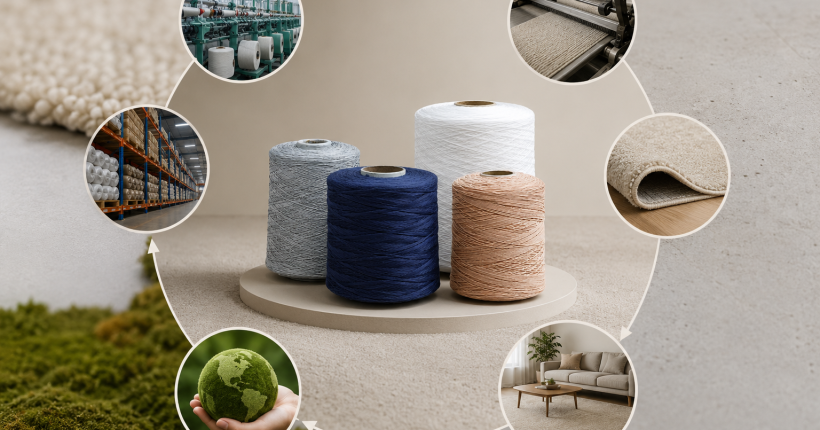
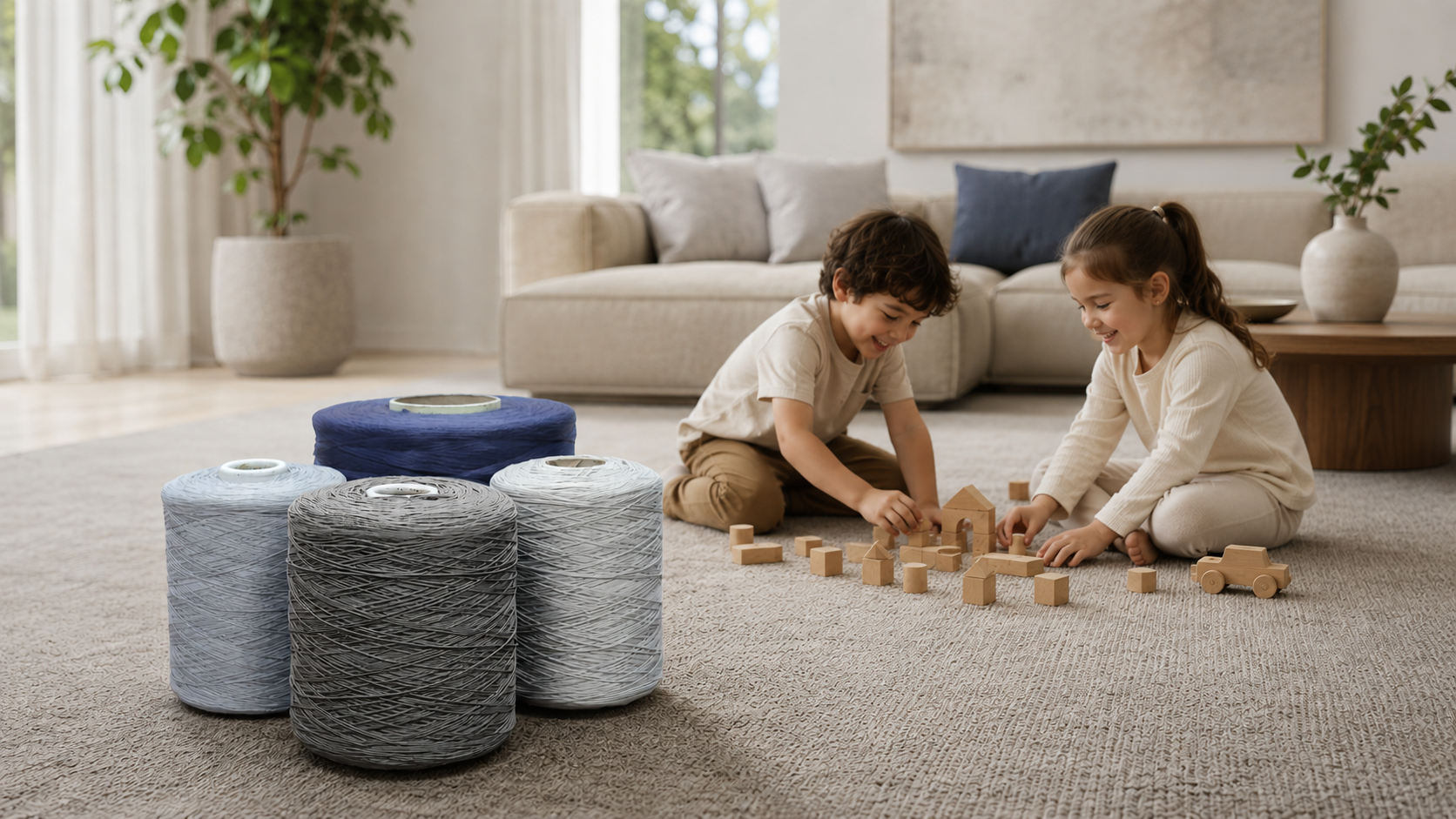
Awareness around indoor air quality and allergen management has grown significantly in recent years. Homeowners, designers and facility managers are all paying closer attention to how materials influence comfort, health and well‑being. Carpets are often part of this conversation, both because of their ability to trap dust and because of perceptions around shedding and fibre sensitivity. Hypoallergenic carpet design is emerging as a response to these concerns.
A hypoallergenic approach starts with the selection of fibres that are less likely to trigger reactions in sensitive individuals. This often means moving away from materials that shed heavily or that can trap particles in difficult‑to‑clean structures. Engineered yarn platforms, including those based on olefin, provide a way to minimise loose fibre release and to build carpets that maintain a clean, stable surface. The goal is not to eliminate all allergens – an unrealistic expectation in real homes – but to reduce unnecessary contributors.
Construction techniques play a major role as well. Dense, uniform piles that resist matting can be easier to vacuum effectively, helping remove dust and particles more completely. Tufted and flatweave structures can be designed to balance comfort with cleanability, ensuring that the carpet remains an asset rather than a liability in allergy‑conscious environments. When hypoallergenic design is considered from the start, the entire build of the carpet – from backing to surface – is aligned with this aim.
Maintenance guidance is another essential component. Even the most thoughtfully designed carpet requires regular care to support healthier indoor air. Hypoallergenic ranges benefit from clear communication around vacuuming routines, spot cleaning and periodic deep cleaning. When brands pair suitable constructions with straightforward care instructions, end users are empowered to keep their spaces more comfortable without specialised knowledge.
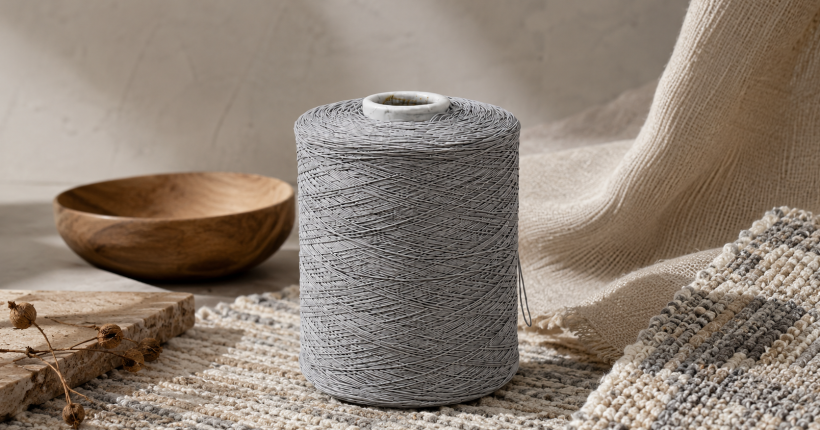
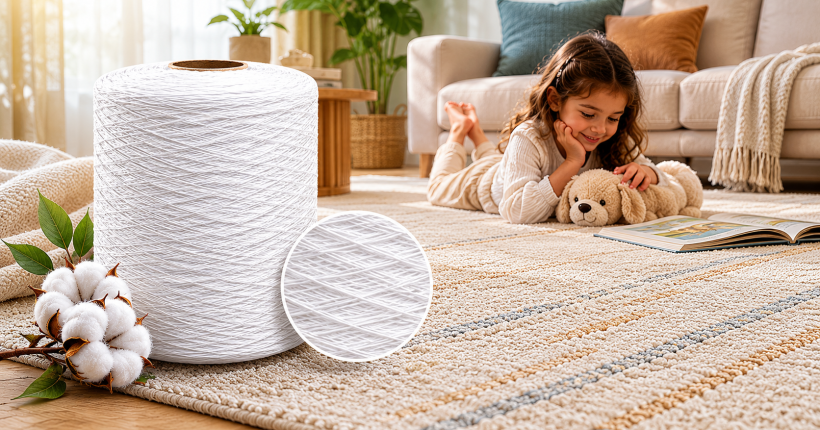
In this context, yarn families that limit shedding and provide stable surfaces contribute strongly to hypoallergenic stories. Wool-like olefin yarns, soft yet resilient cotton‑touch options and compact, textured constructions that stay in place all help to reduce unnecessary dust and fibre movement. When these technical benefits are combined with attractive design, hypoallergenic carpets cease to feel like a compromise and become desirable choices in their own right.
For designers and specifiers, framing carpets as part of an overall health‑conscious interior strategy can be a powerful differentiator. Flooring can be discussed in the same breath as ventilation, light and layout, showing that every aspect of the space has been considered with well‑being in mind. Hypoallergenic carpet design then becomes not just a technical decision, but an expression of care for the people who will live, work or stay within that environment.
As expectations around indoor environments continue to evolve, carpet collections that reflect hypoallergenic principles are likely to become standard rather than niche. Brands that invest in such design today position themselves as partners in creating interiors that feel better, function better and support the long‑term comfort of their users.